Category: Fitness

Your blog category

  • How Does the Digestibility of Processed Versus Unprocessed Oats Influence Their Cholesterol Benefits?

    How Does the Digestibility of Processed Versus Unprocessed Oats Influence Their Cholesterol Benefits?

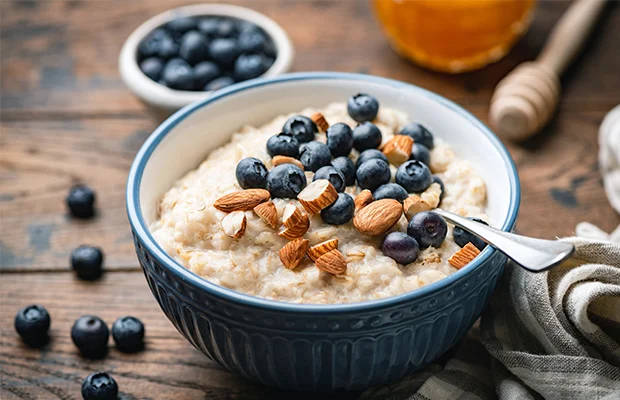
    Oats are widely recognized for their ability to help lower cholesterol, particularly due to their high content of beta-glucan, a soluble fiber that has been shown to reduce LDL cholesterol levels. However, the effectiveness of oats in cholesterol management is not solely determined by their fiber content. The degree of processing oats undergo plays a significant role in their digestibility, which in turn affects how effectively beta-glucan can exert its cholesterol-lowering benefits. Not all oat products are created equal—processing methods influence the release of beta-glucan, its bioavailability, and its overall bioactivity during digestion.

    In this post, we’ll explore how the digestibility of processed versus unprocessed oats affects their cholesterol-lowering benefits. Understanding these differences can help you choose the best oat products for improving your heart health.

    Beta-Glucan and Its Role in Cholesterol Reduction

    Beta-glucan, a soluble fiber found in oats, is the primary agent responsible for cholesterol reduction. It works by binding to bile acids in the gut, preventing their reabsorption and promoting their excretion. As bile acids are derived from cholesterol, the process of excretion leads to a lowering of cholesterol levels in the bloodstream.

    Beta-glucan also increases gut viscosity, creating a thicker environment in the intestines that slows the digestion and absorption of cholesterol and other dietary fats. This process is especially effective at lowering LDL cholesterol, often referred to as “bad” cholesterol.

    The physical structure of the oat tissue plays a key role in the release of beta-glucan during digestion. Less-processed oats with intact cell walls tend to release less soluble beta-glucan during digestion, which may limit the immediate bioavailability of the fiber. However, these oats often provide a sustained release of beta-glucan, which can have long-term benefits for cholesterol management.

    Unprocessed (Raw or Minimally Processed) Oats

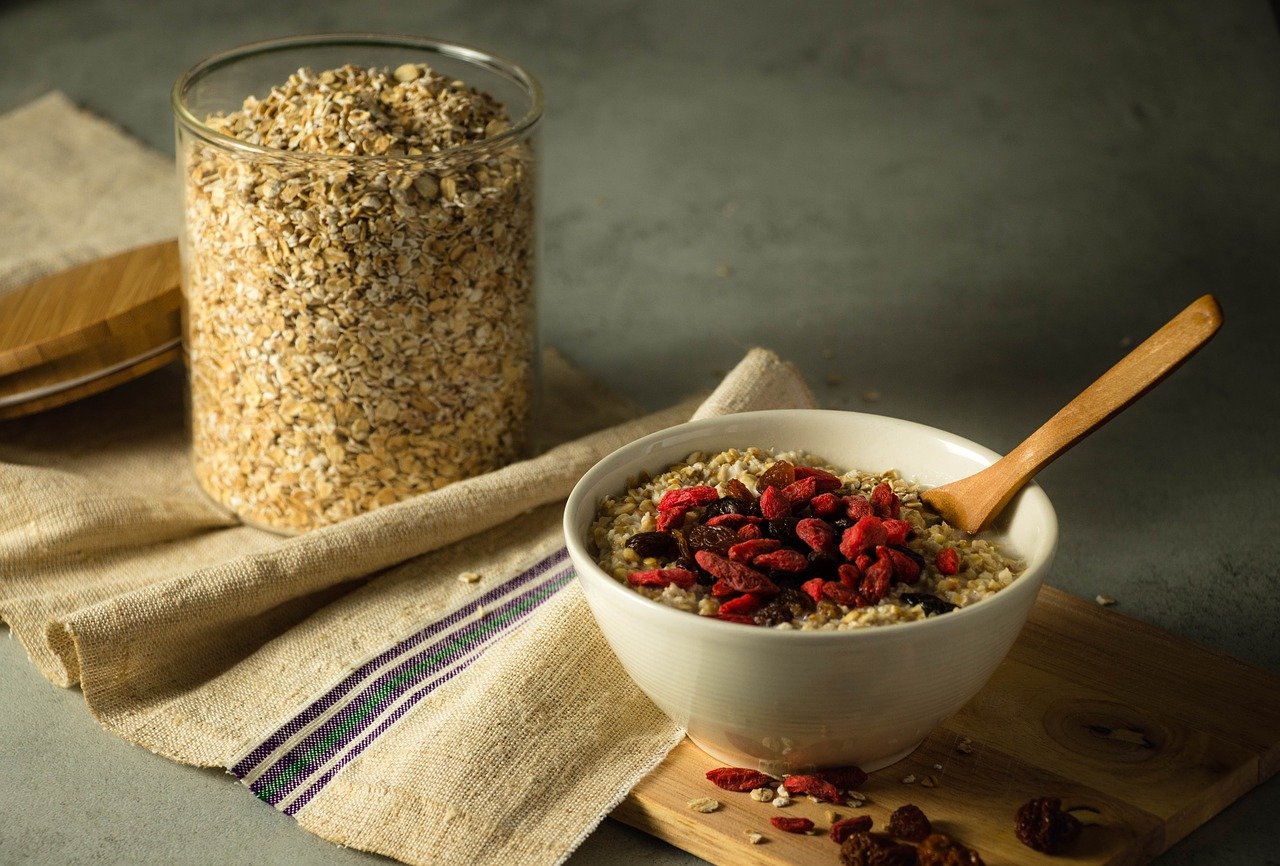
    Unprocessed or minimally processed oats, such as oat groats and steel-cut oats, maintain the natural structure of the oat grain, including its cell walls. These oats are less refined, meaning they retain more of their original fiber and nutrients.

    How They Work:

    • The intact cell walls in these oats limit the immediate release of beta-glucan during digestion—only about 26-38% of the beta-glucan in unprocessed oats is solubilized (released into the digestive tract) during digestion. This reduces their immediate bioavailability.
    • However, the slower digestion process means that beta-glucan is released over a longer period, contributing to a sustained increase in gut viscosity and offering prolonged cholesterol-lowering effects.

    Cholesterol Benefits:

    • Though unprocessed oats may not provide as quick a release of beta-glucan as processed oats, the longer-term effect of sustained gut viscosity can still significantly lower cholesterol over time. The slower release may also contribute to better satiety, helping with weight management, which is an additional factor in reducing cardiovascular disease risk.

    Processed Oats (Rolled, Quick, Instant, Cooked Oats)

    Processed oats, including rolled oats, quick oats, instant oats, and cooked oats, undergo various treatments to speed up cooking times and improve convenience. Processing typically involves steaming, rolling, cutting, or cooking oats, all of which affect the structure of the oats and their digestibility.

    How Processing Affects Beta-Glucan:

    • Steaming and rolling break down the oats’ natural cell structure, which can increase the solubilization of beta-glucan, making it more readily available for absorption during digestion. As a result, processed oats tend to release more beta-glucan more quickly.
    • Instant and quick oats are subject to even more processing, which may enhance solubility further but can also lead to aggregation of proteins and lipids. These aggregates can hinder the full release of beta-glucan during digestion, potentially reducing its effectiveness in lowering cholesterol.

    Impact of Heat Treatments:

    • Moist heat (e.g., steaming or boiling) used in processing may enhance the solubility of beta-glucan, but dry heat (e.g., baking) can preserve or even enhance beta-glucan molecular weight and viscosity, which is more beneficial for cholesterol reduction.
    • Excessive processing can degrade the molecular integrity of beta-glucan, reducing its ability to form the necessary viscous gel in the gut, which is critical for its cholesterol-lowering effects.

    How Digestibility Differences Affect Cholesterol Benefits

    Beta-glucan must be soluble, of sufficient molecular weight, and capable of increasing intestinal viscosity to effectively lower cholesterol. Different oat products vary in their ability to meet these criteria based on their processing.

    Unprocessed Oats:

    • The slow release of beta-glucan from minimally processed oats (such as steel-cut or rolled oats) may limit immediate cholesterol reduction. However, the prolonged viscosity can help maintain cholesterol-lowering effects throughout the day.
    • The lower solubility of beta-glucan from unprocessed oats may mean less immediate bioavailability but offers sustained benefits over time.

    Processed Oats:

    • Processed oats (especially instant and quick oats) tend to release more soluble beta-glucan more quickly, which may have more immediate cholesterol-lowering effects. However, excessive processing can degrade the molecular weight of beta-glucan, limiting its ability to increase gut viscosity and reduce cholesterol over the long term.
    • Moderate processing, such as steamed and rolled oats, strikes a balance by improving beta-glucan solubility while retaining enough molecular structure to maximize cholesterol-lowering benefits.

    The key is that moderate processing enhances beta-glucan solubility without compromising its molecular weight or viscosity, which is critical for effective cholesterol reduction.

    Practical Implications for Choosing Oat Products

    When choosing oats for cholesterol reduction, consider the following factors:

    • Minimally processed oats like steel-cut oats and rolled oats tend to provide a steady, prolonged release of beta-glucan, making them an excellent choice for heart health.
    • If convenience is important, instant oats can still offer some cholesterol-lowering benefits, but ensure that the product retains adequate beta-glucan content and molecular weight. Look for unsweetened versions and those with verified beta-glucan claims.
    • Cooked oats prepared at moderate heat, such as oatmeal made from rolled oats, strike a good balance between solubility and molecular integrity, maximizing beta-glucan’s cholesterol-lowering potential.

    Final Thought

    The digestibility and cholesterol-lowering effectiveness of oats depend significantly on their processing methods, which affect the release and bioactivity of beta-glucan. While unprocessed oats offer sustained benefits through slow digestion, they may not provide as much immediate bioavailability. On the other hand, processed oats like instant oats can release beta-glucan more quickly but may suffer from degraded molecular structure, reducing their long-term effectiveness. To maximize the cholesterol-lowering benefits of oats, choose moderately processed options like steel-cut or rolled oats, which balance beta-glucan solubility and molecular integrity.

    FAQ Section

    Q1: Why does processing affect the cholesterol-lowering benefits of oats?
    Processing changes the oat structure and how much beta-glucan is released and solubilized during digestion. More processing generally leads to quicker beta-glucan release but can reduce its effectiveness by breaking down the oat’s molecular structure.

    Q2: Are unprocessed oats always better for cholesterol management?
    Not necessarily. While unprocessed oats release beta-glucan more slowly, they also limit immediate solubilization. Therefore, they provide sustained benefits, but too little solubilization limits immediate cholesterol-lowering effects.

    Q3: Do instant and quick oats work as well as steel-cut oats?
    They can, but more processing may degrade the molecular weight of beta-glucan and reduce its ability to form the viscous gel needed to lower cholesterol effectively. Check for products with verified beta-glucan content.

    Q4: How does cooking impact beta-glucan’s cholesterol-lowering effect?
    Moderate cooking can increase beta-glucan solubility and bioaccessibility. However, excessive heat or harsh processing may reduce molecular weight, limiting the benefits.

    Q5: What should I look for when choosing oat products for cholesterol reduction?
    Choose oats with minimal added ingredients, good beta-glucan content, and moderate processing like steel-cut or rolled oats. Look for health claims or laboratory analysis to verify beta-glucan content where possible.

  • What Differences Are There Between Various Oat Products in Cholesterol Reduction?

    What Differences Are There Between Various Oat Products in Cholesterol Reduction?

    Oats have long been celebrated for their cholesterol-lowering effects, particularly due to the presence of beta-glucan, a soluble fiber that can help reduce LDL (bad) cholesterol levels. However, not all oat products are created equal when it comes to maximizing heart health. While most oat-based products contain beta-glucan, the degree of processing, molecular structure, and added ingredients can all impact how effective they are in lowering cholesterol.

    In this post, we’ll explore the key differences between various oat products—steel-cut oats, rolled oats, quick/instant oats, and other specialized oat products—and their respective roles in cholesterol reduction. By comparing their processing, fiber content, and overall effectiveness, we’ll help you make informed choices about which oat products are best suited for heart health.

    Oat Basics—Beta-Glucan and Heart Health

    The primary component in oats responsible for lowering cholesterol is beta-glucan, a type of soluble fiber that can bind to cholesterol in the gut, leading to its excretion. Beta-glucan has been shown in numerous studies to effectively reduce total cholesterol and LDL cholesterol, which are major risk factors for cardiovascular disease.

    While all oat products contain beta-glucan, the amount of beta-glucan and its effectiveness in reducing cholesterol can vary depending on the processing method. While different oat forms may have similar beta-glucan content by weight, the structure of the oats, along with the degree of processing, can affect how well the body can absorb and utilize beta-glucan.

    Steel-Cut Oats vs. Rolled Oats

    What Are Steel-Cut and Rolled Oats?

    Steel-cut oats are whole oat groats (the oat kernel) that have been chopped into pieces, while rolled oats are steamed and flattened to produce a thinner, more processed form of oats. Both types of oats contain similar amounts of beta-glucan and other nutrients, making them effective for heart health.

    Key Differences:

    • Steel-cut oats: These oats are less processed and take longer to digest, which can contribute to steadier blood sugar levels and greater satiety. Because they retain their original structure, they also have a slightly higher fiber content than rolled oats.
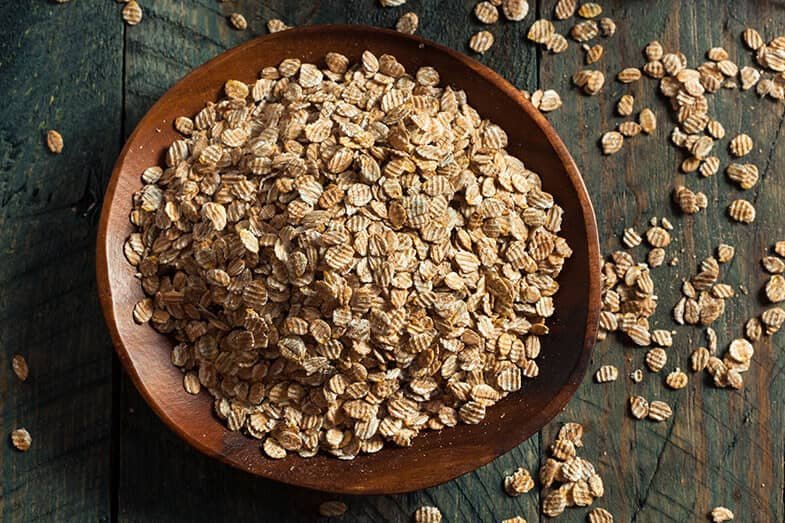
    • Rolled oats: Rolled oats are steamed and flattened, making them quicker to cook. While they may be easier to prepare, they undergo more processing, which can affect their texture and nutrient retention. However, they still provide a significant amount of beta-glucan.

    Cholesterol Reduction:

    Both steel-cut and rolled oats have similar cholesterol-lowering effects when the same amount of beta-glucan is consumed. However, since steel-cut oats are less processed, they may provide slower digestion and greater fullness, which can aid in weight management—an important factor in cholesterol reduction. Ultimately, cholesterol reduction is similar between the two if beta-glucan intake is matched, but the added benefits of lower glycemic response and satiety make steel-cut oats a slightly better choice for some individuals.

    Quick/Instant Oats

    What Are Quick/Instant Oats?

    Quick oats and instant oats are pre-cooked and then dried, so they cook much faster than steel-cut or rolled oats. While convenient, the processing involved in creating quick oats and instant oats can impact their effectiveness in cholesterol reduction.

    Impact on Cholesterol Reduction:

    • Processing reduces oat cell structure: The more processed oats become, the less intact the oat cell structure is, which can reduce the amount of soluble fiber available to bind cholesterol.
    • Added sugars: Many instant oat products are sweetened, which can reduce their overall health benefits. Added sugar not only contributes empty calories but also has no role in cholesterol-lowering. Excess sugar may contribute to weight gain and insulin resistance, both of which can negatively affect heart health.

    While quick and instant oats still provide some beta-glucan, extensive processing may diminish their cholesterol-lowering potential compared to less processed options like steel-cut or rolled oats. Choosing unsweetened instant oats can help mitigate some of these concerns, but they are still generally less effective than their whole or less-processed counterparts.

    Oat Bran and Special Oat Products

    What Is Oat Bran?

    Oat bran is the outer layer of the oat grain, which is particularly rich in beta-glucan. Because of its higher concentration of soluble fiber, oat bran requires smaller servings to reach the effective dose of 3 grams of beta-glucan per day.

    New High-Beta-Glucan Oat Varieties:

    • New cultivars like BARLEYmax (a barley product) and high-beta-glucan oat varieties have been developed to increase the fiber content and enhance cholesterol-lowering effects. These products may require even smaller servings to achieve the same cholesterol-lowering benefits as regular oats.

    Cholesterol Reduction:

    Oat bran is a particularly potent option for those looking to maximize cholesterol reduction with minimal quantity. Because of its higher beta-glucan content, you can achieve the necessary daily intake with smaller portions. Additionally, new oat varieties with higher beta-glucan levels offer even more efficient cholesterol-lowering potential.

    Processing and Molecular Weight Matter

    The way oats are processed can significantly impact the effectiveness of the beta-glucan in lowering cholesterol. Less-processed oats, such as steel-cut or rolled oats, typically retain more of the natural matrix of the oat, which contains higher-weight beta-glucan molecules that are more effective in binding to cholesterol and lowering its levels.

    Molecular Weight and Solubility:

    • Higher-molecular-weight beta-glucan: Larger beta-glucan molecules are more effective at lowering cholesterol because they bind more effectively with cholesterol in the digestive system.
    • Processing: Extensive processing, as seen in instant oats, can break down these larger molecules, reducing their ability to lower cholesterol.

    In general, minimally processed oats tend to be more effective due to their ability to retain the natural molecular structure and higher beta-glucan content.

    Practical Tips for Selecting Oat Products

    When selecting oat products for cholesterol reduction, it’s important to consider both processing and beta-glucan content. Here are some practical tips:

    • Choose minimally processed oats: Steel-cut and rolled oats are the best options for maximizing cholesterol-lowering effects.
    • Check labels for beta-glucan content: Look for oat products that specify the beta-glucan content on the label, especially for processed oat formats like instant oats.
    • Avoid added sugar: If convenience is necessary, choose instant oats with no added sugar and verified beta-glucan claims.
    • Consider oat bran or high-beta-glucan varieties: If you’re aiming to consume a more concentrated form of beta-glucan, opt for oat bran or specialized high-beta-glucan oats and barley cultivars.

    Final Thought

    Not all oat products are created equal when it comes to cholesterol reduction. While steel-cut, rolled, and instant oats all contain beneficial beta-glucan, less-processed oats are generally more effective due to their higher-quality beta-glucan content. Oat bran and specially bred high-beta-glucan grains provide even more potent options for cholesterol management. To maximize the cholesterol-lowering benefits, choose minimally processed oats, avoid added sugars, and ensure you’re getting at least 3 grams of beta-glucan daily.

    FAQ

    Q1: Do steel-cut oats lower cholesterol more than rolled or instant oats?
    Steel-cut and rolled oats are very similar in cholesterol-lowering effects when consumed in equal amounts of beta-glucan. Instant oats may be slightly less effective if they are highly processed.

    Q2: Is oat bran better than other oat products for lowering cholesterol?
    Yes, oat bran is a concentrated source of beta-glucan, meaning you need less to reach the effective dose of 3 grams of beta-glucan per day, making it a more efficient option.

    Q3: Does added sugar in instant oats impact cholesterol-lowering?
    Yes, added sugar provides no cholesterol-lowering benefits and may undermine the heart-health effects. Choose unsweetened instant oats for the best results.

    Q4: What is the key factor in choosing oats for heart health?
    Look for high beta-glucan content, minimal processing, and no added sugar, and ensure you consume at least 3 grams of beta-glucan daily.

    Q5: Do specially bred oats or barley products have advantages?
    Yes, BARLEYmax and other high-beta-glucan oat varieties have higher beta-glucan levels and may deliver more efficient cholesterol-lowering benefits in smaller servings.

  • The Most Effective Lifestyle Changes to Prevent Breast Cancer Now

    The Most Effective Lifestyle Changes to Prevent Breast Cancer Now

    Breast cancer remains one of the most prevalent cancers worldwide, affecting millions of women and men each year. While early detection and treatment have improved survival rates, prevention continues to be the best strategy to reduce the global burden of this disease. Research has shown that many lifestyle factors—such as diet, physical activity, and alcohol consumption—can significantly influence your risk of developing breast cancer.

    Prevention is not just about avoiding genetic factors or relying solely on medical screenings; it’s about taking proactive steps through lifestyle changes that reduce your risk. In this post, we’ll explore the most effective lifestyle changes you can make today to reduce your chances of developing breast cancer in the future. These changes are evidence-based and backed by research from leading health organizations.

    Maintain a Healthy Weight

    Excess body weight, particularly after menopause, is a well-established risk factor for breast cancer. Fat cells produce estrogen, and higher levels of estrogen are linked to an increased risk of hormone-sensitive breast cancer. Women who are overweight or obese after menopause are more likely to develop breast cancer compared to those who maintain a healthy weight.

    Weight Management Strategies:

    • Balanced diet: Eat a variety of nutrient-dense foods, focusing on fruits, vegetables, whole grains, and lean proteins.
    • Regular exercise: Engaging in regular physical activity helps control weight and reduces the risk of developing breast cancer.
    • Mindful eating: Pay attention to hunger cues and practice portion control to prevent overeating.
    • Set realistic goals: Aim for slow, sustainable weight loss rather than rapid weight reduction. Losing just 5-10% of your body weight can significantly lower your risk.

    Maintaining a healthy weight isn’t just about appearance—it’s about reducing the excess estrogen that can contribute to breast cancer development.

    Be Physically Active

    Regular physical activity is one of the most powerful ways to lower your risk of breast cancer. Exercise helps regulate hormones, especially estrogen and insulin, which are linked to cancer growth. Furthermore, it helps maintain a healthy weight, boosts your immune system, and reduces inflammation—all factors that contribute to lower cancer risk.

    Exercise Recommendations:

    • At least 150 minutes of moderate aerobic activity per week, such as brisk walking, cycling, or swimming.
    • Alternatively, 75 minutes of vigorous activity such as running, jogging, or intense aerobic classes.
    • Incorporate strength training twice a week to improve muscle mass and metabolism.

    Studies show that women who are physically active have a lower risk of developing breast cancer, especially postmenopausal women. Exercise has a broad range of health benefits that extend beyond cancer prevention, including improving mood and energy levels.

    Limit Alcohol Consumption

    Even moderate alcohol consumption increases the risk of breast cancer. Alcohol can raise estrogen levels and alter the way the body processes other hormones, increasing the likelihood of mutations that can lead to cancer. Each additional drink increases the risk, and the more you drink, the higher the chances of developing breast cancer.

    Recommendations for Alcohol Intake:

    • No more than one drink per day for women, as even moderate consumption has been linked to an increased risk.
    • Abstinence: The safest approach to reduce breast cancer risk is to avoid alcohol altogether.

    It’s important to be mindful of the impact alcohol has on your health. Reducing or eliminating alcohol from your lifestyle can make a significant difference in lowering your breast cancer risk.

    Eat a Balanced, Plant-Rich Diet

    The food you eat plays a significant role in preventing breast cancer. A diet rich in fruits, vegetables, whole grains, and legumes provides essential nutrients, antioxidants, and fiber that protect the body against cancer. On the other hand, red and processed meats, as well as high-calorie foods, have been linked to an increased risk of breast cancer.

    Diet Recommendations:

    • Focus on plant-based foods: Incorporate a variety of colorful fruits and vegetables to boost your intake of antioxidants and fiber.
    • Limit red meat and processed meats: These foods have been associated with higher cancer risks due to their fat content and carcinogenic compounds formed during cooking.
    • Whole grains and legumes: Beans, lentils, and oats provide fiber and other nutrients that can help regulate hormones and support overall health.

    A plant-rich diet not only supports breast cancer prevention but also promotes general health, making it a powerful tool for reducing cancer risk.

    Breastfeed, If You Can

    Breastfeeding is one of the most effective natural ways to lower the risk of breast cancer. Research shows that women who breastfeed for several months, or even years, have a significantly lower risk of developing breast cancer later in life.

    Why Breastfeeding Helps:

    • Hormonal changes: Breastfeeding delays ovulation, reducing exposure to estrogen, a hormone linked to breast cancer.
    • Breast tissue shedding: The act of breastfeeding helps the body shed older, potentially damaged cells from the breast tissue, reducing the likelihood of cancer development.

    While breastfeeding is not always possible, if you can, it’s a powerful way to reduce your risk of breast cancer.

    Avoid Smoking and Secondhand Smoke

    Smoking is a known carcinogen and has been linked to many cancers, including breast cancer. Smoking can damage the DNA of breast cells, leading to mutations that can increase the likelihood of cancer. Secondhand smoke is equally harmful, especially for premenopausal women who are exposed to tobacco smoke.

    Risks of Active and Passive Smoking:

    • Active smoking: Damages DNA and alters hormone regulation, both of which increase cancer risk.
    • Passive smoking: Exposing yourself to secondhand smoke increases the risk, even if you don’t smoke directly.

    The most effective way to reduce cancer risk is to quit smoking and avoid secondhand smoke whenever possible.

    Use Hormone Therapy Cautiously

    Hormone replacement therapy (HRT) is commonly used by women to alleviate menopausal symptoms, but it has been linked to an increased risk of breast cancer. HRT, especially combined estrogen and progesterone therapy, increases estrogen levels in the body, promoting the growth of hormone-sensitive breast cancers.

    Guidance on Hormone Therapy Use:

    • Consult your doctor: If you are considering HRT, talk to your healthcare provider about the risks and benefits.
    • Use hormones for the shortest duration possible: If HRT is necessary, it should be used under close medical supervision and for the shortest period necessary.

    If you are concerned about the risks of hormone therapy, discuss alternative treatments with your doctor.

    Manage Stress and Prioritize Sleep

    Emerging evidence suggests that chronic stress and poor sleep can influence cancer development, including breast cancer. Stress can interfere with immune function and increase inflammation in the body, both of which can promote cancer growth. Moreover, sleep is crucial for maintaining overall health and regulating the body’s hormones.

    Stress and Sleep Management Tips:

    • Practice stress-reducing techniques such as yoga, meditation, or deep breathing exercises.
    • Prioritize sleep by aiming for 7-9 hours of restful sleep each night. Sleep is essential for hormone regulation and overall health.

    Reducing stress and improving your sleep can have far-reaching benefits for both your mental and physical health, including lowering cancer risk.

    Minimize Exposure to Environmental Toxins

    Emerging research suggests that certain environmental toxins—such as pesticides, plastics, and pollutants—may increase the risk of breast cancer. These toxins, many of which are endocrine disruptors, can interfere with hormone function and may contribute to cancer development over time.

    Tips to Reduce Exposure to Toxins:

    • Choose organic produce when possible to reduce exposure to pesticides.
    • Avoid plastics with BPA by opting for BPA-free containers and bottles.
    • Limit your use of household products containing harmful chemicals and look for eco-friendly, natural alternatives.

    While more research is needed, reducing your exposure to these chemicals is a smart precautionary measure.

    Stay Proactive About Screenings and Risk Assessment

    Early detection plays a critical role in improving outcomes for breast cancer patients. Regular screenings and breast exams remain essential for identifying cancer in its early stages, when it’s most treatable.

    Screening Recommendations:

    • Mammograms: The American Cancer Society recommends regular mammograms starting at age 45, or earlier for those at higher risk.
    • Clinical breast exams: Regular self-exams and clinical exams by a healthcare professional can help detect changes in breast tissue.
    • Genetic counseling: For those with a family history of breast cancer or known genetic mutations, consider genetic counseling to better understand your risk.

    Taking a proactive approach to screenings and understanding your individual risk can make a significant difference in early detection and successful treatment.

    Final Thought

    Adopting these lifestyle changes cannot guarantee complete prevention, but they offer powerful protection against breast cancer. Many of these steps are simple and achievable, and every small step you take strengthens your future health. By embracing these evidence-based strategies, you’re investing in your well-being and empowering yourself to reduce your breast cancer risk.

    FAQ Section

    Q1: Can my everyday choices really impact breast cancer risk?
    Yes, strong evidence links weight, diet, alcohol, and physical activity to significant reductions in breast cancer risk.

    Q2: How much can these steps really lower risk?
    Experts estimate that 25–30% of breast cancer cases may be preventable with healthy lifestyle changes.

    Q3: Is breastfeeding essential for everyone?
    Not everyone can breastfeed, but for those who can, even a few months offers significant health benefits.

    Q4: Are environmental pollutants a big risk?
    Certain chemicals may play a role; minimizing unnecessary exposure is wise, especially as the evidence on this continues to evolve.

    Q5: Should I get screened even if I’m healthy?
    Yes, screening and self-exams remain key for early detection and peace of mind, in addition to prevention.

  • 10 Ways to Keep Breast Cancer Out of Your Future

    10 Ways to Keep Breast Cancer Out of Your Future

    Breast cancer remains one of the most prevalent and concerning health issues worldwide. It affects millions of women (and some men) every year, making it a major public health concern. Although much progress has been made in breast cancer detection, treatment, and survival rates, prevention remains a key focus in the fight against this disease.

    While breast cancer may seem like an inevitable fate for some, the truth is that many risk factors are within our control. Lifestyle and health choices, including diet, physical activity, and environmental exposures, can significantly impact your chances of developing breast cancer. Prevention is not just about avoiding detection; it’s about actively making choices that lower the risk and improve your overall health.

    In this post, we will explore 10 evidence-based ways to reduce your risk of breast cancer. These strategies are backed by research and can be incorporated into your daily life to help keep breast cancer out of your future.

    Section 1: Maintain a Healthy Weight

    Obesity is a well-established risk factor for breast cancer, particularly after menopause. Women who are overweight or obese have a higher risk of developing hormone receptor-positive breast cancer, which is the most common form of the disease. This is partly because fat tissue produces more estrogen, a hormone that can fuel the growth of some types of breast cancer.

    Tips for Maintaining a Healthy Weight:

    • Eat a balanced diet with a focus on whole foods, such as vegetables, fruits, lean proteins, and whole grains.
    • Engage in regular physical activity to help manage weight.
    • Monitor portion sizes and avoid overeating, especially foods high in sugar and unhealthy fats.
    • Set realistic goals: Losing even a modest amount of weight (5-10% of your body weight) can significantly lower breast cancer risk.

    By maintaining a healthy weight, you can reduce your overall cancer risk and improve your general health.

    Section 2: Stay Physically Active

    Exercise is a powerful tool in preventing breast cancer. Regular physical activity has been shown to lower the risk of developing breast cancer by improving hormone regulation, reducing inflammation, and maintaining a healthy weight. The American Cancer Society recommends at least 150 minutes of moderate exercise per week, or 75 minutes of vigorous exercise, along with muscle-strengthening activities twice a week.

    Recommended Types and Amounts of Physical Activity:

    • Walking, jogging, cycling, or swimming can all help reduce breast cancer risk.
    • Strength training is also beneficial for boosting metabolism, increasing lean muscle mass, and improving overall health.

    Studies suggest that women who exercise regularly have a lower risk of breast cancer, especially postmenopausal women. Aim for consistency—regular movement is key to long-term prevention.

    Section 3: Limit Alcohol Consumption

    Alcohol consumption is a dose-dependent risk factor for breast cancer, meaning the more alcohol you drink, the higher your risk. Even moderate alcohol intake increases the risk of breast cancer. Research suggests that alcohol consumption, even at levels as low as one drink per day, can increase the risk of breast cancer by 7-10%. This is because alcohol can increase estrogen levels in the body, which can, in turn, promote the growth of hormone-sensitive breast cancer cells.

    Safe Limits for Alcohol Consumption:

    • Women should limit alcohol to no more than one drink per day.
    • Abstinence: The safest option for reducing breast cancer risk is to avoid alcohol altogether.

    Section 4: Eat a Balanced, Plant-Rich Diet

    Diet plays a crucial role in preventing breast cancer. A plant-based diet rich in fruits, vegetables, and whole grains provides essential nutrients and antioxidants that help protect against cellular damage. These foods are high in fiber, vitamins, and minerals that support overall health and reduce cancer risk.

    The Role of Fiber and Antioxidants:

    • Fiber-rich foods, such as whole grains, beans, and vegetables, help regulate hormones and support healthy digestion.
    • Antioxidants, found in colorful fruits and vegetables, protect cells from oxidative stress, which can contribute to cancer development.

    In contrast, limiting red and processed meats, which have been linked to an increased risk of cancer, is also important for maintaining breast health.

    Diet Recommendations:

    • Focus on plant-based foods: Include plenty of leafy greens, berries, cruciferous vegetables (like broccoli), and whole grains.
    • Limit processed foods and those high in sugar and fat.

    Section 5: Breastfeed, If Possible

    Breastfeeding offers numerous health benefits for both mother and child, including a significant protective effect against breast cancer. Research suggests that women who breastfeed for several months (or longer) have a lower risk of developing breast cancer, particularly if they breastfeed for a combined total of 1-2 years across multiple pregnancies.

    Potential Mechanisms:

    • Hormonal changes during breastfeeding can delay ovulation, which may reduce exposure to estrogen.
    • Breastfeeding helps shed old tissue in the breasts, reducing the likelihood of cancerous changes.

    While breastfeeding might not be feasible for everyone, if possible, it is one of the most natural ways to lower breast cancer risk.

    Section 6: Avoid Tobacco Smoke

    Smoking is a known risk factor for various cancers, including breast cancer. Women who smoke, particularly those who begin smoking at a young age, have an increased risk of developing breast cancer. This risk is amplified if women also have a family history of the disease.

    Both Active and Passive Smoking are Harmful:

    • Active smoking increases cancer risk by damaging DNA and triggering cellular mutations.
    • Passive smoking, or secondhand smoke exposure, also raises the risk of developing breast cancer, particularly in premenopausal women.

    The best preventive measure is to avoid smoking entirely and limit exposure to secondhand smoke.

    Section 7: Minimize Exposure to Environmental Chemicals

    Environmental toxins have been linked to various types of cancer, including breast cancer. Certain chemicals, such as endocrine disruptors, can interfere with hormone function and increase cancer risk. These chemicals are found in everyday products like cosmetics, cleaning supplies, plastics, and pesticides.

    Practical Tips to Reduce Exposure:

    • Choose natural or organic products when possible, particularly for personal care and household items.
    • Minimize the use of plastics, especially plastic containers marked with recycling codes 3, 6, or 7, as they may contain BPA (bisphenol A) and phthalates.
    • Avoid exposure to pesticides by buying organic produce or thoroughly washing non-organic fruits and vegetables.

    Section 8: Consider Hormone Use Carefully

    Hormone replacement therapy (HRT) and some forms of oral contraception have been linked to an increased risk of breast cancer, particularly when used for extended periods. This is especially true for HRT, which increases estrogen levels in the body.

    Risks of Hormone Use:

    • HRT: The use of combined estrogen and progesterone therapy has been shown to increase the risk of breast cancer in postmenopausal women.
    • Oral contraceptives: While the link between birth control pills and breast cancer risk is less clear, certain hormonal contraceptives may increase the risk, especially in younger women.

    If considering hormone therapy, consult a healthcare provider to weigh the risks and benefits, particularly if you have a family history of breast cancer.

    Section 9: Regular Screening and Risk Assessment

    While prevention is key, early detection is equally important. Regular screening through mammograms and clinical breast exams can detect breast cancer early when it is more treatable. Your doctor can recommend appropriate screening schedules based on your age and risk factors.

    Risk Assessment for Personalized Prevention:

    • A genetic risk assessment can help identify those at higher risk due to family history or genetic mutations (like BRCA1 or BRCA2).
    • Personalized strategies, including more frequent screenings or preventive medications, may be recommended for high-risk individuals.

    Section 10: Seek Medical Advice for High-Risk Individuals

    For those with a strong family history of breast cancer or genetic mutations (such as BRCA mutations), there are additional preventive options available. Medical interventions, such as prophylactic medications (e.g., tamoxifen) or even preventive surgeries (e.g., mastectomy), can help reduce the risk.

    Genetic Counseling and Informed Decision-Making:

    • Genetic counseling can help individuals understand their risk and explore preventive options.
    • Informed decision-making is critical for choosing the right preventive approach, whether through medication, surgery, or increased surveillance.

    Final Thought

    Breast cancer prevention is multifaceted, involving a combination of lifestyle choices, environmental awareness, and medical interventions. While not all risk factors are modifiable, many evidence-based steps can significantly lower your risk and empower you to protect your future health. By incorporating these 10 strategies into your daily life, you can take proactive measures to reduce your risk of breast cancer and improve your overall well-being.


    FAQ Section

    Q1: Can lifestyle changes really reduce my risk of breast cancer?
    Yes, studies show that maintaining a healthy weight, exercising regularly, eating a balanced diet, and limiting alcohol consumption significantly reduce breast cancer risk.

    Q2: How important is breastfeeding for reducing breast cancer risk?
    Breastfeeding is linked with a meaningful risk reduction, especially when continued for several months. It’s one of the most effective natural ways to lower breast cancer risk.

    Q3: Is there a safe level of alcohol consumption regarding breast cancer?
    Lower alcohol intake reduces risk; some guidelines recommend no more than one drink per day, or avoiding alcohol altogether for optimal breast cancer prevention.

    Q4: What if I have a family history of breast cancer?
    Genetic counseling and medical interventions such as prophylactic medications or surgeries can be options. It’s essential to work with a healthcare provider to assess risk and explore prevention strategies.

    Q5: Are hormone replacement therapies safe?
    Hormone replacement therapies should be used cautiously under medical supervision as some types increase breast cancer risk. Discuss the risks and benefits with your doctor before starting HRT.

  • How the Effective Daily Dose of Beta-Glucan Varies by Individual Health Status

    How the Effective Daily Dose of Beta-Glucan Varies by Individual Health Status

    Beta-glucan, a soluble fiber found in oats and barley, is widely recognized for its ability to lower LDL cholesterol levels and improve cardiovascular health. This naturally occurring fiber has gained attention for its cholesterol-lowering benefits, especially in people looking to manage their heart health through diet. The general recommendation for beta-glucan intake is around 3 grams per day, a dose proven effective for most individuals in reducing LDL cholesterol. However, what is less commonly discussed is how individual health status can affect the effectiveness of beta-glucan and how much of it one might need for optimal benefits.

    In this post, we will dive into the standard 3-gram daily dose recommended by health authorities such as the FDA and EFSA, but we will also explore how this dose may vary based on factors such as your cholesterol levels, cardiovascular risk, and metabolic health. Understanding how your specific health conditions can influence your response to beta-glucan is key to maximizing its benefits for your heart.

    Section 1: The Standard Recommended Dose

    Beta-glucan has been extensively studied for its role in cholesterol management. The U.S. Food and Drug Administration (FDA) and the European Food Safety Authority (EFSA) both recommend a daily intake of 3 grams of beta-glucan to significantly lower LDL cholesterol. This standard dose has been shown in clinical trials to reduce LDL cholesterol by around 5-10% in healthy individuals, offering an easy and accessible way to improve cardiovascular health.

    Sources of Beta-Glucan

    Achieving the recommended 3 grams of beta-glucan daily is relatively simple, and it can be done through foods like oats and barley. For instance, consuming 60-100 grams of rolled oats (approximately 2/3 to 1 cup dry) can provide the required amount of beta-glucan. Other oat-based products such as oat flour, oat bran, and oat milk also contain varying amounts of beta-glucan, though they may be less concentrated than whole oats.

    This dose of 3 grams has been shown to be effective at lowering LDL cholesterol in the general population. For most people, this intake is sufficient for heart health benefits, and incorporating a daily serving of oats can be an easy step towards reducing cholesterol levels and improving overall cardiovascular health.

    Evidence for LDL Cholesterol Reduction

    Numerous studies confirm the effectiveness of consuming 3 grams of beta-glucan daily. For example, one meta-analysis of several clinical trials concluded that a 3-gram daily dose of beta-glucan from oats resulted in a reduction of LDL cholesterol by around 5-7%. These results are significant, considering that lowering LDL cholesterol by just a few percentage points can greatly reduce the risk of heart disease.

    The dose of 3 grams per day is particularly helpful for individuals with mildly elevated cholesterol. For these individuals, beta-glucan provides a safe, natural means to manage cholesterol levels without the need for medication.

    Section 2: Variation by Health Status

    While the 3-gram daily dose of beta-glucan is effective for most people, there are situations where individual health status can influence the effectiveness of this dose. Let’s explore how different health conditions and risk factors can affect the response to beta-glucan.

    1. Mildly Elevated Cholesterol

    For individuals with mildly elevated cholesterol levels, the standard 3-gram dose of beta-glucan works well. Studies show that most people with slightly raised LDL cholesterol (but not in the high-risk category) respond positively to this dose, experiencing noticeable reductions in their cholesterol levels.

    In fact, studies have shown that increasing beta-glucan intake beyond 6 grams per day offers no significant additional benefits in these individuals. This makes the 3-gram dose a cost-effective and practical approach for mild cholesterol management.

    2. High Cardiovascular Risk or Severe Cholesterol Elevation

    For individuals with high cardiovascular risk or those with severely elevated cholesterol levels, beta-glucan can still be beneficial but is generally not enough as a sole treatment. In these cases, beta-glucan can complement medication, such as statins or other cholesterol-lowering drugs, but it should not replace them. The effects of beta-glucan in people with high cholesterol are often modest, with reductions in LDL cholesterol being smaller compared to those with mild cholesterol elevation.

    Beta-glucan works best as part of an overall treatment strategy, including a balanced diet, exercise, and the use of prescribed medications when necessary. It’s essential for individuals with high cholesterol to consult with healthcare providers to ensure they are using the most appropriate and effective treatment options.

    3. Obesity, Metabolic Syndrome, and Diabetes

    For people with obesity, metabolic syndrome, or diabetes, the response to beta-glucan can vary. These conditions often involve altered metabolism, insulin resistance, and impaired gut health, all of which can affect how well the body processes cholesterol.

    Beta-glucan still offers benefits in these populations, but the effectiveness may not be as pronounced as in those with normal metabolic health. In particular, individuals with diabetes may experience more variable results due to fluctuations in blood sugar levels and altered lipid metabolism. However, studies have shown that beta-glucan can still help improve cholesterol profiles, particularly by lowering LDL cholesterol and total cholesterol.

    Additionally, beta-glucan has been shown to have other health benefits for people with metabolic syndrome, such as improving blood sugar control, reducing inflammation, and enhancing gut health.

    4. Special Populations: Caution and Advice

    There are some populations for whom the intake of beta-glucan should be carefully monitored or avoided:

    • Children: Limited research exists on the safety of beta-glucan supplementation in children. While small amounts of oats can be introduced into a child’s diet, it’s important to consult a healthcare provider before introducing higher doses of beta-glucan.
    • Pregnant and Breastfeeding Women: While beta-glucan from oats is generally considered safe, pregnant or breastfeeding women should seek medical advice before increasing their intake of beta-glucan, especially if they plan to consume high amounts regularly.
    • Individuals with Rare Conditions: People with rare conditions, such as certain gastrointestinal disorders, may need to avoid high-fiber diets, including beta-glucan-rich foods, unless approved by a doctor. Fiber, including beta-glucan, can be difficult for some individuals to tolerate, particularly those with conditions like Crohn’s disease or irritable bowel syndrome.

    Section 3: Individual Factors Affecting Effectiveness

    The effectiveness of beta-glucan can vary due to several individual factors, including genetics, gut microbiome, and the specific type of beta-glucan consumed.

    1. Genetics and Cholesterol Metabolism

    Genetic factors can play a significant role in how well beta-glucan works to lower cholesterol. Some people have genetic variations that affect how efficiently their bodies metabolize cholesterol, which can influence the extent to which beta-glucan can reduce LDL cholesterol.

    For example, individuals with a genetic predisposition to higher cholesterol levels (familial hypercholesterolemia) may experience less pronounced benefits from beta-glucan, requiring stronger interventions such as medication.

    2. Gut Microbiome

    Emerging research has revealed that the gut microbiome—an intricate ecosystem of bacteria in the intestines—plays a crucial role in cholesterol metabolism. Beta-glucan has been shown to positively influence the gut microbiota, which can enhance its ability to lower cholesterol. However, the composition of an individual’s gut microbiome can vary, affecting the efficiency of beta-glucan in reducing cholesterol. People with an imbalanced gut microbiome might see less pronounced effects from beta-glucan, making it important to consider overall gut health when using this fiber for cholesterol management.

    3. Type of Beta-Glucan

    The molecular structure of beta-glucan can differ depending on the source (e.g., oats vs. barley), and this can affect its potency. Some forms of beta-glucan may be more effective than others in binding to cholesterol and bile acids. It’s essential to consider the specific type of beta-glucan used, as some oat products may be more concentrated or bioavailable than others.

    Section 4: Practical Recommendations

    To maximize the effectiveness of beta-glucan in managing cholesterol, here are some practical recommendations:

    • Start with the Standard Dose: For most individuals, 3 grams of beta-glucan daily (about 60–100 grams of rolled oats) is a good starting point. This is sufficient for lowering LDL cholesterol in the majority of healthy adults.
    • Consult Healthcare Providers: If you have complex health conditions such as high cholesterol, metabolic syndrome, or diabetes, consult with a healthcare provider to ensure you are using beta-glucan as part of a comprehensive health plan. For those on medications, professional advice is critical.
    • Combine Beta-Glucan with a Heart-Healthy Lifestyle: Beta-glucan is most effective when combined with a heart-healthy diet and lifestyle. Focus on a balanced diet rich in fruits, vegetables, whole grains, and healthy fats, along with regular exercise and weight management.
    • Monitor Regularly: Regular cholesterol monitoring is essential, especially for those with high cholesterol or other cardiovascular risk factors. This helps track the effectiveness of beta-glucan and allows adjustments to be made if necessary.

    Final Thought

    While 3 grams of beta-glucan daily is effective for most individuals in lowering LDL cholesterol, individual tailoring based on health status is crucial for achieving the best results. Beta-glucan is a natural, safe, and accessible way to support cholesterol management, but it is most beneficial when combined with personalized medical advice. Whether you are looking to reduce mild cholesterol levels or supplement your heart disease treatment plan, beta-glucan can play a valuable role in improving heart health.

    FAQ Section

    Q1: What is the standard effective daily dose of beta-glucan?
    The widely accepted dose is 3 grams per day to lower LDL cholesterol significantly.

    Q2: Does everyone benefit equally from beta-glucan?
    No, individual responses can vary due to genetic, metabolic, and gut microbiome differences. Some individuals may experience stronger effects than others.

    Q3: Can people with very high cholesterol rely solely on beta-glucan?
    Beta-glucan is best used alongside prescribed treatments for severe cholesterol issues; it is not a standalone cure. Consult your healthcare provider for appropriate treatment options.

    Q4: Is beta-glucan intake safe for children or pregnant women?
    Limited research exists; such individuals should consult healthcare providers before increasing intake.

    Q5: How can I ensure I get the right amount of beta-glucan daily?
    Eating about 60-100 grams of rolled oats or equivalent barley products daily typically provides 3 grams of beta-glucan.

  • Eating Beta-Glucan in Oats Lowers Blood Cholesterol: A Simple Strategy for Heart Health

    Eating Beta-Glucan in Oats Lowers Blood Cholesterol: A Simple Strategy for Heart Health

    When it comes to improving heart health, we are often advised to make significant changes to our diet, such as cutting down on fats, sugar, and salt. While these adjustments can certainly make a difference, one simple and highly effective strategy is often overlooked: eating oats. Specifically, the beta-glucan in oats has been scientifically proven to help lower blood cholesterol levels, particularly the harmful “bad” LDL cholesterol.

    Cholesterol is a fatty substance that the body needs in small amounts for building cells and producing hormones. However, when cholesterol levels become too high, especially LDL cholesterol, it can lead to plaque buildup in the arteries, increasing the risk of heart disease, stroke, and other cardiovascular conditions. Fortunately, oats, a staple in many diets, contain a natural soluble fiber called beta-glucan, which has been shown to significantly reduce LDL cholesterol.

    In this article, we’ll explore the science behind beta-glucan, examine the scientific evidence supporting its cholesterol-lowering effects, and discuss practical ways you can incorporate oats into your diet to promote heart health.

    How Beta-Glucan Works: The Science Behind Cholesterol Reduction

    Beta-glucan is a type of soluble fiber found in the cell walls of oats (and other grains like barley). It plays a significant role in improving health, particularly in lowering cholesterol levels. The mechanisms through which beta-glucan lowers cholesterol are complex, but they can be broken down into several key processes:

    1. Binding Bile Acids and Cholesterol

    The most well-established mechanism through which beta-glucan lowers cholesterol involves its ability to bind bile acids in the digestive tract. Bile acids are produced by the liver from cholesterol to aid in the digestion of fats. When you consume beta-glucan, it forms a gel-like substance in the gut. This gel binds to bile acids and cholesterol, which then leads to their excretion from the body.

    Because bile acids are excreted, the liver needs to produce more bile acids to aid in digestion. To do this, the liver uses cholesterol from the blood. As a result, cholesterol levels in the bloodstream drop.

    2. Increasing Cholesterol Utilization

    As beta-glucan encourages the liver to excrete more bile acids, the liver is forced to draw upon stored cholesterol to make these new bile acids. This process effectively lowers blood cholesterol levels because the body uses cholesterol from the blood to produce the bile acids.

    This process is a natural way to lower LDL cholesterol, which is the primary contributor to atherosclerosis (the buildup of plaque in the arteries). In the long term, this mechanism helps improve cardiovascular health by reducing the amount of cholesterol circulating in the bloodstream.

    3. Modulating Gut Microbiota and Its Impact on Cholesterol

    Emerging research has shown that beta-glucan can also influence the gut microbiota, the diverse community of microorganisms that live in the intestines. The composition of gut microbiota plays an important role in the metabolism of cholesterol and other lipids. Beta-glucan can positively influence this microbiota, leading to improved digestion and a reduction in cholesterol synthesis in the liver.

    By influencing the gut microbiome, beta-glucan has a multifaceted effect on cholesterol metabolism, further contributing to the lowering of LDL cholesterol levels. This effect also helps improve overall gut health, which has been shown to be an essential factor in heart disease prevention.

    Scientific Evidence: Proven Benefits of Beta-Glucan for Cholesterol-Lowering

    The heart-healthy benefits of beta-glucan are not just theoretical; they are backed by extensive scientific research. Numerous studies have confirmed that consuming beta-glucan from oats significantly reduces LDL cholesterol levels and helps protect against cardiovascular disease.

    Clinical Trials and Meta-Analyses

    Clinical trials have consistently shown that consuming beta-glucan from oats can reduce LDL cholesterol by around 5-10%. A large meta-analysis of 20 studies concluded that a daily intake of at least 3 grams of oat beta-glucan is sufficient to achieve significant reductions in cholesterol. This finding has been replicated in multiple trials conducted in various populations, demonstrating the consistency of beta-glucan’s cholesterol-lowering effects.

    In fact, these trials suggest that regular consumption of beta-glucan can lead to an average reduction of 5-7% in LDL cholesterol. While the magnitude of the effect can vary between individuals, these results are still highly promising and suggest that oat-based products are a simple and effective dietary addition for improving heart health.

    FDA and EFSA Health Claims

    The FDA, the European Food Safety Authority (EFSA), and other health organizations around the world have recognized the cholesterol-lowering properties of beta-glucan from oats. The FDA has approved a health claim that links the consumption of at least 3 grams of oat beta-glucan per day with a reduced risk of heart disease. Similarly, EFSA has acknowledged the beneficial effects of beta-glucan in reducing cholesterol and improving cardiovascular health.

    These approvals are based on the substantial body of scientific evidence supporting beta-glucan’s role in heart disease prevention, offering consumers a trustworthy and proven option for improving heart health through diet.

    Dose-Dependent Effect

    One important aspect of the research is that the benefits of beta-glucan appear to be dose-dependent. This means that the more beta-glucan you consume, the greater the potential reduction in LDL cholesterol. However, most studies show that the benefits plateau at around 3 grams per day, meaning that consuming more than this amount does not lead to significantly greater reductions in cholesterol.

    In practical terms, this means that a daily serving of oats or oat-based products can have a meaningful effect on lowering cholesterol, and further increases in intake may not necessarily lead to additional benefits.

    Practical Details: How Much Beta-Glucan Should You Consume?

    If you’re looking to lower your cholesterol through beta-glucan, you’ll need to ensure that you consume an adequate amount of oats or oat-based products.

    How Much Oats Provide 3 Grams of Beta-Glucan?

    To get 3 grams of beta-glucan, which is the optimal daily dose for cholesterol reduction, you’ll need to eat about 60-100 grams of dry rolled oats. This is approximately 2/3 to 1 cup of dry oats, which will cook down to a standard serving of oatmeal.

    It’s important to note that the beta-glucan content of oats can vary based on the type of oat product you choose. Steel-cut oats, rolled oats, and whole oat groats tend to contain higher amounts of beta-glucan compared to instant oats or highly processed oat products. Therefore, it’s important to check the labels of oat-based products to verify the beta-glucan content.

    Other Oat-Based Products

    In addition to oatmeal, there are various oat-based products available that can provide the cholesterol-lowering benefits of beta-glucan. These include oat flour, oat bran, oat milk, and oat-based snacks like granola and energy bars. While these products can also contribute to your daily beta-glucan intake, they may have different levels of beta-glucan depending on how they are processed. Always check the packaging for precise amounts.

    Health Impact: More Than Just Cholesterol-Lowering

    While lowering LDL cholesterol is the primary benefit of beta-glucan, the impact of oats on cardiovascular health goes beyond just cholesterol levels.

    Lowering Total Cholesterol and LDL Cholesterol

    As previously mentioned, beta-glucan has been shown to lower total cholesterol by approximately 4-5% and LDL cholesterol by 5-7%. These reductions may seem modest, but they can have a significant long-term effect on heart health. Reducing LDL cholesterol is one of the most effective ways to prevent coronary heart disease, which is the leading cause of death worldwide.

    Heart Disease Risk Reduction

    By lowering LDL cholesterol, beta-glucan also helps reduce the risk of coronary heart disease (CHD). The relationship between high LDL cholesterol and CHD is well-established, with numerous studies confirming that high levels of LDL cholesterol increase the risk of plaque buildup in the arteries. This plaque can eventually cause blockages that restrict blood flow, leading to heart attacks or strokes.

    Therefore, incorporating oats into your diet as a source of beta-glucan can play a crucial role in preventing these serious health conditions.

    Final Thought: A Simple Way to Lower Cholesterol and Protect Your Heart

    If you’re looking for an easy, science-backed way to lower your cholesterol and reduce the risk of heart disease, oats are an excellent choice. With their high beta-glucan content, oats offer a simple and affordable way to improve heart health.

    By consuming just 60-100 grams of oats (about 2/3 to 1 cup) daily, you can significantly reduce your LDL cholesterol levels and help protect your heart. Whether you prefer a warm bowl of oatmeal for breakfast or enjoy oat-based snacks and products throughout the day, adding oats to your diet is a small change that can yield big health benefits.

    FAQ

    Q1: How much oats do I need to eat to lower cholesterol?
    To get the recommended 3 grams of beta-glucan, aim for 60–100 grams (about 2/3 to 1 cup dry) of rolled oats daily.

    Q2: Is beta-glucan only found in oats?
    No, barley also contains beta-glucan with similar cholesterol-lowering effects, but oats are the most common source due to their availability and ease of consumption.

    Q3: Does beta-glucan lower good (HDL) cholesterol too?
    No, studies show that oat beta-glucan specifically lowers LDL cholesterol and total cholesterol but does not negatively affect HDL cholesterol (the “good” cholesterol) or triglycerides.

    Q4: Are instant oats as effective?
    Processing can reduce beta-glucan content and its effectiveness. Less processed forms like steel-cut oats and rolled oats are better, but check packaging for beta-glucan details.

    Q5: Are there side effects from eating more oats?
    Oats and beta-glucan are generally safe. Some people may notice mild digestive changes or increased fullness as they add more fiber to their diet, but these effects are usually temporary.

  • Can Too Much Salt Double Your Risk of Heart Failure?

    Can Too Much Salt Double Your Risk of Heart Failure?

    Salt is a basic part of the human diet. It’s essential for several physiological functions, like regulating fluid balance and helping nerve transmission. However, most people don’t realize that too much salt can have serious consequences for heart health. Recent research suggests that consuming excessive amounts of salt can double the risk of developing heart failure — a condition where the heart cannot pump blood efficiently to meet the body’s needs.

    Understanding the relationship between salt and heart health is crucial because most of us consume far more salt than recommended. The World Health Organization (WHO) suggests an upper limit of 5 grams of salt per day, but research shows that many individuals consume far beyond that amount. This blog post will explore the link between high salt intake and heart failure, the science behind it, how much salt is considered safe, and practical tips for reducing your intake.

    What Does the Science Say?

    In the last decade, various scientific studies have pointed to an undeniable connection between excessive salt consumption and heart failure. One of the most significant studies, conducted over 12 years, found that individuals who consumed more than 13.7 grams of salt per day had double the risk of heart failure compared to those who consumed smaller amounts. This is alarming considering that the average daily salt intake in many countries far exceeds the WHO’s recommended limit.

    Salt and Blood Pressure: The Common Connection

    At the most basic level, consuming too much salt increases sodium levels in the blood. This leads to water retention, and as the body tries to eliminate the excess salt, the kidneys retain water to dilute the sodium levels. The increased fluid volume puts additional pressure on the blood vessels, which raises blood pressure. High blood pressure, also known as hypertension, is one of the leading causes of heart disease. However, the effects of excessive salt go beyond merely raising blood pressure.

    How Salt Affects the Body Beyond Blood Pressure

    The effects of high salt intake are not just about high blood pressure. Salt causes the body to retain water, and this extra fluid causes a strain on the heart and blood vessels. Over time, this added pressure damages the blood vessels, making it harder for the heart to pump blood effectively. When the heart cannot pump blood adequately, it leads to heart failure.

    Furthermore, high salt intake causes the blood vessels to become stiffer, which makes it harder for blood to flow freely. This situation exacerbates the strain on the heart and increases the risk of cardiovascular diseases like heart failure, coronary artery disease, and stroke.

    Several studies have pointed out that the damage to the heart from excessive salt intake occurs even in individuals without high blood pressure. This suggests that sodium alone, without hypertension, can still trigger the pathways leading to heart failure and other cardiovascular problems.

    How Much Salt Is Too Much?

    The WHO’s recommended salt intake is no more than 5 grams per day — approximately one teaspoon. This is based on evidence suggesting that a lower sodium intake reduces the risk of developing cardiovascular diseases, including heart failure. However, many people consume much more than this.

    Average Salt Consumption Around the World

    In the United States, for instance, the average salt intake is around 9 grams per day. In some countries, this number can reach 12 to 15 grams per day. Much of this comes from processed foods, such as snacks, canned foods, sauces, and prepared meals, which are often loaded with hidden salt.

    The Danger Zone

    Studies show that once an individual’s salt intake exceeds 13.7 grams per day, the risk of heart failure increases substantially. The body’s ability to regulate sodium and fluid balance becomes overwhelmed at this level, and significant damage can occur to the heart and blood vessels. Unfortunately, many people don’t realize that they are consuming too much salt, as it’s often hidden in processed foods, restaurant meals, and even seemingly healthy options like salad dressings.

    The key point to remember is that salt intake is not just a matter of quantity but also a matter of duration. Long-term high salt consumption gradually leads to heart failure by affecting the heart, kidneys, and blood vessels. The longer the exposure to high salt levels, the greater the risk.

    The Spectrum of Risk

    It’s important to note that the relationship between salt and heart failure is not a simple “yes/no” scenario. The risk increases gradually as salt intake rises, but each additional gram of salt consumed increases the chances of heart failure. By reducing your daily intake, even by just a few grams, you can substantially lower your risk.

    Balancing Sodium Intake for Heart Health

    While reducing excessive salt intake is important, it’s also essential to find a balance. Sodium is a crucial mineral for the body, necessary for fluid balance and nerve function. However, both too much and too little sodium can have negative effects on heart health.

    The Importance of a Balanced Sodium Intake

    For individuals with heart failure or those at high risk of developing it, the right amount of sodium is vital. Too little salt can cause problems, such as low blood pressure, dehydration, and impaired kidney function. The key is moderation. Reducing excessive salt intake is beneficial for most people, but it’s not necessary to eliminate it entirely. Instead, individuals should aim for a moderate level that supports bodily functions without overloading the heart and blood vessels.

    For people with heart failure, it’s important to follow the guidance of healthcare providers regarding sodium intake. The doctor may recommend a slightly higher or lower intake depending on the patient’s specific condition and treatment plan. In general, reducing sodium intake in moderate amounts can lead to better management of heart failure, improving symptoms and quality of life.

    The Benefits of Reducing Excessive Salt

    The benefits of reducing salt intake go beyond lowering the risk of heart failure. Lowering sodium intake can help:

    • Reduce blood pressure
    • Decrease the risk of stroke
    • Improve kidney function
    • Lower the risk of developing coronary artery disease

    Even modest reductions in salt intake — for example, lowering your intake from 12 grams to 10 grams per day — can lead to substantial health benefits.

    Section 4: Practical Tips to Manage Salt Intake

    Managing your salt intake doesn’t have to be complicated or restrictive. Here are some simple, actionable tips to help you reduce your sodium consumption while still enjoying flavorful meals:

    1. Read Food Labels

    Many packaged foods are high in sodium, even those labeled as “low-fat” or “healthy.” When shopping, always check the nutrition labels. Look for foods with less than 5% of the daily value for sodium per serving. Be cautious with pre-packaged sauces, snacks, and deli meats, which often contain large amounts of hidden salt.

    2. Cook Fresh at Home

    One of the best ways to control your salt intake is by preparing meals from scratch using fresh, whole ingredients. By cooking at home, you can avoid the high levels of sodium typically found in take-out, fast food, and processed meals. Fresh vegetables, lean proteins, and whole grains are naturally low in salt and provide the nutrients your body needs.

    3. Limit Processed and Restaurant Foods

    Processed and restaurant foods are often loaded with sodium. When dining out, ask for your dish to be prepared with less salt or on the side. Opt for steamed vegetables and grilled meats instead of fried or pre-seasoned options.

    4. Taste Before Adding Salt

    Often, we add salt out of habit rather than necessity. Taste your food first and consider whether you really need more salt. Many foods have natural flavors that don’t require added sodium.

    5. Use Salt Alternatives

    Consider using salt alternatives such as herbs and spices to flavor your meals. Basil, rosemary, thyme, garlic, and lemon juice can enhance the taste of your food without adding extra sodium. There are also sodium-free salt substitutes available that use potassium chloride as a base.

    Final Thought

    Excessive salt consumption is a serious risk factor for heart failure. Research shows that too much salt can lead to increased blood pressure, water retention, and strain on the heart and blood vessels, doubling the risk of heart failure. Fortunately, the solution is simple: by reducing your daily salt intake, you can protect your heart and improve your overall health.

    While it’s important not to go to extremes and eliminate all salt from your diet, moderating your intake can significantly reduce your risk of heart failure and other cardiovascular diseases. Simple changes such as cooking at home, reading labels, and limiting processed foods can go a long way in maintaining a healthy heart.

    FAQ

    Q1: Can cutting salt intake really lower my risk of heart failure?
    Yes, lowering excessive salt intake reduces blood pressure and the strain on your heart, thereby lowering heart failure risk.

    Q2: What is the recommended daily salt intake?
    The World Health Organization suggests no more than 5 grams of salt per day for optimal health.

    Q3: Is all salt harmful or just large amounts?
    Moderate salt intake is essential; risk increases significantly at high levels (above about 13.7 grams daily).

    Q4: Should people with heart failure avoid salt completely?
    Not necessarily. Extremely low salt intake may not be beneficial. Patients should follow their doctor’s recommendations for balanced sodium intake.

    Q5: How can I reduce salt in my diet?
    Choose fresh foods, cook at home, check labels for sodium content, and limit processed foods.